Indoor air quality affects comfort, health, and energy efficiency inside your home. Many homeowners focus on temperature but ignore the air they breathe. Dust, pollen, humidity, and indoor pollutants often circulate through outdated systems. Modern HVAC technology now gives homeowners better control over indoor air. A well designed system filters contaminants, balances humidity, and maintains consistent airflow.
Improving indoor air quality begins with understanding how HVAC systems move air through your home. Air travels through return ducts, passes through filters, and redistributes through supply vents. If any part of this process fails, pollutants build up inside the home. Modern HVAC systems solve this problem through improved filtration, humidity management, and advanced ventilation.
Homeowners in New Jersey often deal with seasonal allergens, winter dryness, and summer humidity. A properly upgraded HVAC system can address all of these issues while improving comfort throughout the year. If you want to explore professional HVAC solutions, contact New Jersey HVAC to learn more about services that support better indoor air quality.
Understanding Indoor Air Quality Problems
Indoor air quality problems develop when pollutants accumulate faster than they are removed. Many homes are tightly sealed to improve energy efficiency. While this reduces heating and cooling costs, it also traps contaminants indoors.
Common indoor pollutants include dust, pet dander, mold spores, pollen, and volatile organic compounds from cleaning products and furniture. These particles circulate through your HVAC system and settle on surfaces throughout the home. Over time they affect breathing comfort and aggravate allergies.
Humidity also plays a major role. Excess moisture encourages mold growth while overly dry air irritates the skin and respiratory system. A modern HVAC system helps balance these conditions by controlling both temperature and moisture levels.
Ventilation is another key factor. Without proper ventilation, stale indoor air recirculates repeatedly. Modern systems introduce controlled fresh air while filtering contaminants. This combination improves indoor air quality and keeps airflow consistent.
The Role of HVAC Systems in Air Quality
HVAC systems control the movement, filtration, and conditioning of air inside a building. When properly installed and maintained, they serve as the primary defense against indoor pollutants.
Air filtration is the most visible component of this process. Filters capture dust, pollen, and other airborne particles before they circulate through the home. Higher efficiency filters capture smaller contaminants and improve overall air cleanliness.
Air circulation also affects air quality. Poor airflow allows pollutants to concentrate in certain areas of the home. Modern HVAC systems distribute conditioned air evenly, reducing stagnant air pockets and improving ventilation.
Humidity control adds another layer of protection. Whole house humidifiers and dehumidifiers work with the HVAC system to maintain balanced moisture levels. This prevents mold growth and protects both health and building materials.
Professional maintenance ensures each component continues to operate efficiently. Regular inspections keep filters clean, ducts sealed, and airflow balanced. Homeowners who schedule routine service through New Jersey HVAC can maintain cleaner indoor air while protecting their HVAC investment.
High Efficiency Air Filtration Systems
Modern HVAC systems use advanced filtration technology to capture airborne contaminants. These filters trap particles that older filters often miss. Upgrading to high efficiency filtration improves indoor air quality without major system modifications.
HEPA filtration is one of the most effective options available. These filters capture extremely small particles including pollen, mold spores, and microscopic dust. Many homeowners install whole house filtration units that integrate directly into the HVAC system.
Media filters provide another effective solution. These filters contain a thicker surface area that captures more contaminants while allowing proper airflow. Compared to standard disposable filters, media filters last longer and perform more efficiently.
Electronic air cleaners represent another advanced option. These devices charge airborne particles and collect them on plates inside the system. This process removes contaminants that traditional filters cannot capture.
Clean filtration reduces dust buildup throughout the home. Furniture stays cleaner and air smells fresher. Most importantly, fewer airborne irritants circulate through the breathing space.
Ventilation Systems for Fresh Air Circulation
Modern homes benefit from controlled ventilation systems that replace stale indoor air with filtered outdoor air. Without proper ventilation, pollutants remain trapped inside the home.
Energy recovery ventilators and heat recovery ventilators help maintain airflow while preserving energy efficiency. These systems exchange indoor and outdoor air while transferring heat between air streams. This process maintains comfortable temperatures while introducing fresh air.
Mechanical ventilation improves indoor air quality by removing contaminants that accumulate indoors. It also prevents excessive moisture buildup that contributes to mold growth.
Balanced ventilation systems work with existing HVAC equipment to maintain steady airflow throughout the home. Fresh air enters while stale air exits through controlled pathways.
Homeowners interested in improving ventilation can learn about available options through New Jersey HVAC, where professional technicians evaluate indoor air quality needs and recommend system upgrades.
Humidity Control for Healthier Air
Humidity levels affect comfort as well as air quality. Too much humidity encourages mold growth and dust mites. Too little humidity dries the skin and respiratory passages.
Whole house humidifiers add moisture during winter months when heating systems dry the air. These systems connect directly to the HVAC system and distribute balanced humidity through the ductwork.
Whole house dehumidifiers remove excess moisture during warm months. High humidity levels make indoor air feel heavy and uncomfortable. Dehumidification improves comfort and reduces mold risk.
Balanced humidity levels protect furniture, flooring, and structural materials from moisture damage. They also reduce airborne irritants that thrive in overly humid environments.
A modern HVAC system integrates humidity control directly into the heating and cooling process. This ensures consistent comfort throughout every room of the home.
Smart HVAC Technology and Air Quality Monitoring
Technology now allows homeowners to monitor and manage indoor air quality more precisely. Smart thermostats and air quality sensors track temperature, humidity, and airborne pollutants.
These devices communicate with HVAC systems to adjust airflow automatically. If humidity rises or pollutants increase, the system responds by increasing filtration or ventilation.
Air quality monitoring helps homeowners identify problems before they become serious. Real time feedback provides insights into daily indoor conditions.
Smart HVAC systems also improve energy efficiency by adjusting operation based on actual indoor conditions. This reduces unnecessary energy use while maintaining optimal comfort.
Many modern systems integrate with mobile apps that allow homeowners to monitor indoor air quality remotely. This technology provides greater awareness and control over the home environment.
Professional HVAC Installation and Maintenance
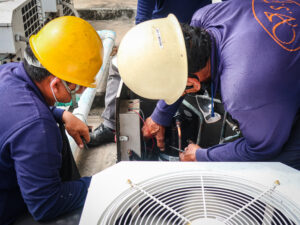
Even the most advanced HVAC technology cannot improve indoor air quality if installed improperly. Professional installation ensures each component operates efficiently and safely.
Technicians evaluate ductwork design, airflow balance, and system capacity. Proper sizing ensures the system conditions air effectively without overworking equipment.
Maintenance also plays a critical role in long term air quality improvement. Filters require replacement, ducts need inspection, and ventilation systems require cleaning.
Regular HVAC maintenance prevents dust buildup, mold growth, and airflow restrictions. It also helps maintain energy efficiency and system longevity.
Homeowners who want cleaner indoor air should schedule professional inspections and system upgrades through New Jersey HVAC. Experienced HVAC professionals identify air quality issues and recommend practical solutions.
Improving indoor air quality requires more than occasional filter changes. It requires a complete HVAC strategy that includes filtration, ventilation, humidity control, and system maintenance. Modern HVAC systems combine these technologies to create healthier indoor environments.
When homeowners invest in upgraded HVAC systems, they reduce airborne contaminants, control moisture levels, and maintain consistent airflow throughout the home. These improvements create a cleaner and more comfortable living space while supporting long term HVAC performance.
With the right combination of technology and professional service, homeowners can transform indoor air quality and create a healthier home environment year round.