Heating and cooling systems often fail when homeowners need them the most. Extreme summer heat or freezing winter temperatures place heavy stress on HVAC equipment. When a system stops working unexpectedly, it can quickly turn into an emergency that affects comfort, safety, and indoor air quality. Understanding how emergency HVAC repair works helps homeowners respond quickly and avoid further damage.
In New Jersey, seasonal weather can push HVAC systems to their limits. Air conditioners must handle high humidity and heat during the summer, while furnaces and heating systems must perform reliably throughout cold winters. When these systems break down suddenly, homeowners often require immediate professional assistance. Companies like New Jersey HVAC provide emergency repair services that restore comfort and prevent minor issues from becoming major system failures.
Knowing the warning signs of HVAC problems and understanding how emergency repair services operate can help homeowners protect their homes and reduce downtime when equipment fails.
What Qualifies as an HVAC Emergency
Not every HVAC issue requires immediate emergency repair, but some situations demand urgent attention. HVAC emergencies typically occur when heating or cooling systems stop functioning during extreme weather conditions or when equipment problems create safety risks.
A furnace failure during freezing temperatures can quickly become dangerous. Without proper heating, indoor temperatures drop rapidly, which can affect plumbing systems and create uncomfortable or unsafe living conditions. Immediate repair is necessary to restore heat and protect the home.
Air conditioning failure during severe heat waves can also create serious discomfort. Homes can trap heat quickly, especially in multi level structures or poorly ventilated spaces. Emergency air conditioning repair becomes necessary when indoor temperatures continue rising.
Unusual smells or smoke coming from HVAC equipment may also indicate a serious problem. Electrical issues, overheating components, or gas related problems require professional inspection as soon as possible.
Water leaks around HVAC equipment can also signal system failure. Condensation drainage problems or refrigerant leaks may cause water damage and reduce system performance. Addressing these issues quickly prevents further complications.
Common Causes of Emergency HVAC Repairs
Several issues can lead to unexpected HVAC system breakdowns. Some develop gradually over time, while others occur suddenly due to mechanical failure or extreme weather stress.
Clogged or neglected air filters often cause airflow restrictions. When airflow becomes limited, HVAC systems work harder to circulate air throughout the home. Over time this strain may lead to overheating or system shutdown.
Electrical component failure represents another common cause of emergency repairs. Capacitors, relays, and control boards regulate system operation. If any of these parts fail, the system may stop functioning entirely.
Refrigerant leaks can also disrupt air conditioning systems. Without proper refrigerant levels, air conditioners cannot absorb heat efficiently. This leads to weak cooling performance or complete system shutdown.
Frozen evaporator coils sometimes develop when airflow becomes restricted or refrigerant levels drop. Ice buildup prevents the system from cooling properly and may cause internal damage if not addressed.
Heating systems may also fail due to ignition problems, blower motor issues, or thermostat malfunctions. Any of these problems can interrupt heating cycles and require professional diagnosis.
Homeowners who rely on professional technicians from New Jersey HVAC benefit from fast identification of these issues and efficient system repairs.
Warning Signs That a System Needs Immediate Repair
HVAC systems often show warning signs before complete failure occurs. Recognizing these signs early allows homeowners to schedule repairs before problems escalate.
Unusual noises coming from the HVAC unit often signal internal mechanical issues. Grinding, banging, or rattling sounds may indicate loose components or worn motors.
Weak airflow from vents may suggest blocked ducts, failing blower motors, or clogged filters. Reduced airflow prevents the system from maintaining proper temperatures throughout the home.
Frequent cycling also indicates potential problems. If the HVAC system turns on and off repeatedly without completing a full heating or cooling cycle, internal components may be malfunctioning.
Uneven temperatures between rooms can also signal airflow problems or failing equipment. Some areas may feel significantly warmer or cooler than others.
Higher than normal energy bills may also indicate declining system efficiency. When equipment struggles to maintain temperature, it consumes more energy while producing weaker results.
Homeowners who contact New Jersey HVAC at the first sign of these problems can prevent many situations from turning into full HVAC emergencies.
What Happens During an Emergency HVAC Repair Visit
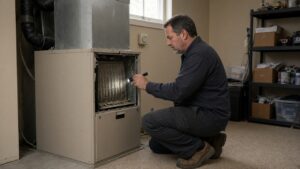
Emergency HVAC repair services focus on restoring system functionality as quickly as possible. When technicians arrive, they begin with a full system inspection to identify the root cause of the failure.
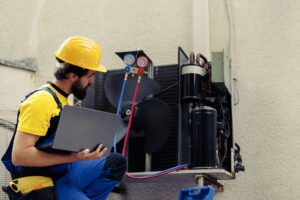
Technicians examine electrical components, airflow systems, refrigerant levels, and mechanical parts. Diagnostic tools help pinpoint the exact location of the malfunction.
Once the issue is identified, technicians explain the problem and outline the necessary repair steps. Many emergency repairs involve replacing damaged components such as capacitors, motors, or control boards.
If the issue involves airflow problems or blocked components, technicians may clean or adjust system parts to restore normal operation. Refrigerant leaks may require sealing the leak and recharging the system.
The goal of emergency repair services is to restore heating or cooling quickly while ensuring the system operates safely. Experienced technicians from New Jersey HVAC carry common replacement parts and tools to complete many repairs during the initial visit.
Preventing Future HVAC Emergencies
Although emergency repairs sometimes occur unexpectedly, many system failures can be prevented through routine maintenance and early problem detection.
Regular HVAC maintenance helps identify worn components before they fail completely. Technicians inspect system parts, clean internal components, and verify that airflow remains unrestricted.
Changing air filters regularly also plays a major role in system health. Clean filters allow proper airflow and reduce strain on HVAC equipment.
Seasonal system inspections before peak heating or cooling seasons help prepare equipment for heavy use. Pre season maintenance ensures systems operate efficiently when temperatures become extreme.
Keeping outdoor units clear of debris also improves system performance. Leaves, dirt, and other obstructions may restrict airflow around condenser units.
Homeowners who schedule regular service with New Jersey HVAC often experience fewer unexpected breakdowns because technicians detect potential problems early.
The Importance of Professional Emergency HVAC Services
Attempting to repair HVAC systems without proper training can create safety risks and lead to further equipment damage. HVAC systems contain electrical components, refrigerant lines, and complex mechanical parts that require specialized knowledge.
Professional HVAC technicians understand how each system component interacts with the rest of the equipment. They also use specialized tools to diagnose issues accurately.
Emergency repair professionals respond quickly to urgent situations and work efficiently to restore comfort. Their experience allows them to identify problems that may not be visible to homeowners.
Professional repairs also ensure that systems continue operating safely after the repair is completed. This reduces the likelihood of repeat failures or additional damage.
Homeowners who rely on experienced technicians from New Jersey HVAC receive fast, reliable service that restores heating and cooling systems during critical situations.
How Emergency HVAC Repairs Protect Your Home
HVAC systems play an essential role in maintaining safe indoor environments. During extreme temperatures, heating and cooling equipment protects both residents and property.
A functioning heating system prevents indoor temperatures from dropping low enough to freeze plumbing pipes. Frozen pipes can burst and cause significant water damage.
Air conditioning systems help maintain safe indoor temperatures during hot weather. Without proper cooling, indoor heat levels can become uncomfortable and potentially hazardous.
Proper HVAC operation also supports indoor air circulation and humidity control. Balanced airflow reduces moisture buildup and helps prevent mold growth.
Emergency HVAC repair services ensure these systems continue protecting the home even during sudden equipment failures. Quick response and professional service restore comfort while preventing additional property damage.
When HVAC emergencies occur, homeowners who act quickly and contact experienced professionals like New Jersey HVAC can resolve issues efficiently and restore a comfortable indoor environment.