Understanding HVAC decisions is crucial for New Jersey homeowners who want to maintain comfort and efficiency in their homes. With a climate that experiences both cold winters and hot summers, having a reliable HVAC system is essential. However, when faced with a malfunctioning unit, the decision to repair or upgrade is not always straightforward. Homeowners must weigh the costs and benefits of both options to make an informed choice.
Evaluating the age of your HVAC system is the first step in making a repair versus upgrade decision. Most HVAC systems have a lifespan of 15 to 20 years. If your system is approaching this age range, it may be more cost-effective to upgrade rather than continually repair an aging unit. Newer systems offer advanced technology and improved efficiency, which can lead to significant savings on energy bills. Considering the age of your system is essential in determining the best course of action.
Assessing repair costs is another critical factor in your decision-making process. If repair costs are more than half the cost of a new system, upgrading may be the better option. Frequent repairs can add up quickly, and investing in a new system might provide better long-term value. Evaluating the frequency and cost of repairs helps homeowners decide whether to continue investing in an old system or upgrade to a more reliable one.
Energy efficiency improvements are a compelling reason to consider upgrading rather than repairing. Modern HVAC systems are designed to be more energy-efficient, reducing energy consumption and lowering utility bills. Upgrading to a more efficient system can also provide environmental benefits by reducing your home’s carbon footprint. Homeowners who prioritize energy efficiency can benefit significantly from an upgrade.
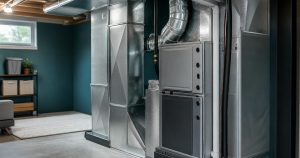
Considering the comfort level provided by your current system is essential. An outdated or failing HVAC system may struggle to maintain consistent temperatures throughout your home. This can lead to discomfort during extreme weather conditions. Upgrading your system can enhance comfort by providing even heating and cooling, improved air quality, and quieter operation. A more comfortable living environment is a significant advantage of an upgraded system.
Exploring available incentives for upgrading can also influence your decision. Many utility companies and government programs offer rebates or tax credits for installing energy-efficient HVAC systems. These incentives can help offset the initial cost of a new system, making upgrading a more attractive option. Homeowners should research available incentives to maximize savings on their investment.
Considering future home value is another important aspect. Upgrading to a modern, efficient HVAC system can increase your home’s resale value. Prospective buyers often prioritize energy-efficient homes, and a new HVAC system can be a significant selling point. This consideration is particularly relevant if you plan to sell your home in the near future, as an updated system can appeal to potential buyers.
Analyzing the environmental impact of your HVAC decision is essential for eco-conscious homeowners. Older systems often use outdated refrigerants that are harmful to the environment. Upgrading to a newer system can reduce your environmental impact by using more eco-friendly refrigerants and consuming less energy. This not only benefits the planet but can also align with personal values of sustainability.
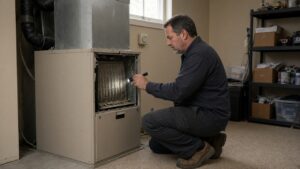
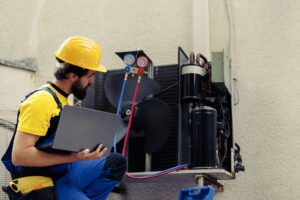
Professional consultation is recommended when navigating HVAC decisions. Consulting with a qualified HVAC professional can provide valuable insights into the condition of your current system and the potential benefits of upgrading. Professionals can assess your specific needs, recommend suitable options, and ensure that any installations or repairs are done correctly. Their expertise can guide you in making an informed and confident decision.
Long-term financial planning is crucial when deciding between repair and upgrade. While upgrading may have a higher upfront cost, it can offer savings in the long run through reduced repair expenses and lower energy bills. Homeowners should consider their budget, financing options, and long-term financial goals when making this decision. A careful financial evaluation can help determine the most cost-effective choice for your situation.
Understanding the limitations of repairs is important for homeowners facing frequent issues with their HVAC systems. Repairs can temporarily fix problems, but they may not address underlying inefficiencies or outdated technology. If your system frequently breaks down or requires significant repairs, upgrading could provide a more permanent and satisfactory solution. Recognizing when repairs are no longer sufficient can guide you toward a more sustainable choice.
In conclusion, weighing the pros and cons of upgrading versus repairing your HVAC system is essential for New Jersey homeowners. By considering factors such as age, repair costs, energy efficiency, comfort, incentives, and future home value, you can make an informed decision that aligns with your needs and priorities. Consulting with HVAC professionals can provide additional guidance and ensure your home remains comfortable and efficient throughout the seasons. Making the right choice can lead to improved comfort, reduced costs, and a positive environmental impact.