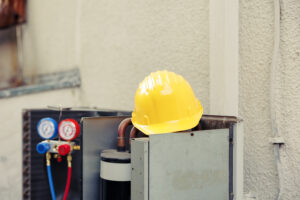
New Jersey homeowners often face unique HVAC challenges due to the state’s diverse climate. The changing seasons bring varying temperatures, which can strain heating and cooling systems. Understanding these common HVAC issues and knowing how to address them can help maintain a comfortable and efficient home environment. Regular maintenance and timely repairs are crucial in preventing major breakdowns and ensuring optimal performance.
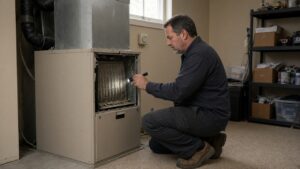
Inefficient heating is a prevalent concern during New Jersey’s cold winters. When a heating system fails to warm the home adequately, it might be due to issues such as clogged filters, malfunctioning thermostats, or blocked vents. Regular inspection of these components can often resolve the problem. Homeowners should replace filters every few months and ensure that vents are unobstructed by furniture or debris. If the problem persists, contacting a professional HVAC technician for further diagnostics is advisable.
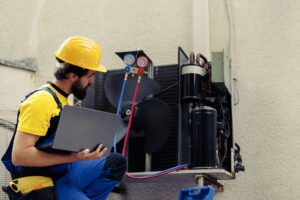
Air conditioning problems can become significant during the state’s hot and humid summers. Common issues include refrigerant leaks, frozen coils, and inadequate cooling. Checking refrigerant levels is essential, as low levels can indicate a leak that needs professional repair. Additionally, ensuring that the AC unit is clean and that all components are working correctly can prevent freezing. Homeowners should schedule regular maintenance checks to keep their air conditioning systems in top condition.
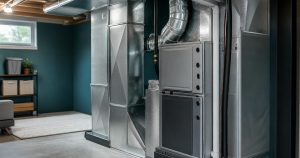
Uneven temperature distribution is another challenge that many New Jersey homes face. This issue can often be traced back to poor insulation or an outdated HVAC system. Improving insulation in walls, attics, and basements can help maintain even temperatures throughout the house. Upgrading to a more modern HVAC system can also improve airflow and temperature consistency. Consulting with HVAC professionals about the latest energy-efficient systems can provide substantial improvements in comfort and cost savings.
Strange noises from HVAC systems can be unsettling and are usually a sign of an underlying issue. Rattling, banging, or squealing noises often indicate loose components, worn-out parts, or debris caught in the system. Listening carefully to these sounds and describing them accurately can assist technicians in diagnosing and fixing the problem more efficiently. Regularly tightening parts and cleaning the system can prevent such issues from escalating.
High energy bills are a frequent complaint among New Jersey residents, especially during peak heating and cooling seasons. Inefficient systems, poor insulation, and outdated equipment can all contribute to increased energy consumption. Conducting an energy audit can identify areas where energy savings can be made. Upgrading to energy-efficient appliances, sealing leaks around windows and doors, and using programmable thermostats can significantly reduce costs and environmental impact.
Humidity control is crucial in maintaining a comfortable indoor environment. Excessive humidity can promote mold growth and discomfort, while too little can lead to dry skin and respiratory issues. Installing a dehumidifier or humidifier, depending on the home’s needs, can help maintain optimal humidity levels. Monitoring humidity and adjusting HVAC settings accordingly ensures a healthy and pleasant living space.
Regular maintenance is the key to preventing most HVAC issues. Scheduling annual inspections and tune-ups can help identify potential problems before they become serious. Replacing worn parts and cleaning the system regularly can extend the life of the HVAC unit and ensure it operates efficiently. Homeowners should keep a maintenance log and follow manufacturer recommendations for service intervals.
Choosing the right HVAC contractor is essential for effective repairs and maintenance. Homeowners should look for licensed, insured, and experienced professionals with good reviews and references. Comparing quotes from multiple contractors can ensure competitive pricing and quality service. A reliable contractor will provide clear communication, comprehensive service, and valuable advice on system upgrades and energy efficiency improvements.
Understanding system warranties can also benefit New Jersey homeowners. Many HVAC systems come with manufacturer warranties that cover certain repairs or replacements. Keeping documentation of purchases and service records ensures that warranty claims can be processed smoothly. Homeowners should familiarize themselves with the terms and conditions of their warranties to avoid unexpected costs.
Investing in smart technology can enhance HVAC system efficiency and convenience. Smart thermostats and home automation systems allow homeowners to control temperatures remotely and optimize energy use. Adopting these technologies can lead to significant energy savings and improved comfort. Many modern systems also offer insights into energy consumption patterns and suggest ways to reduce usage further.
Overall, proactive maintenance and timely repairs are essential for addressing common HVAC issues in New Jersey homes. By understanding the unique challenges posed by the state’s climate and taking the necessary steps to maintain their systems, homeowners can enjoy a comfortable and efficient home year-round. Partnering with skilled HVAC professionals and investing in modern technology will ensure that their systems remain reliable and effective for years to come.